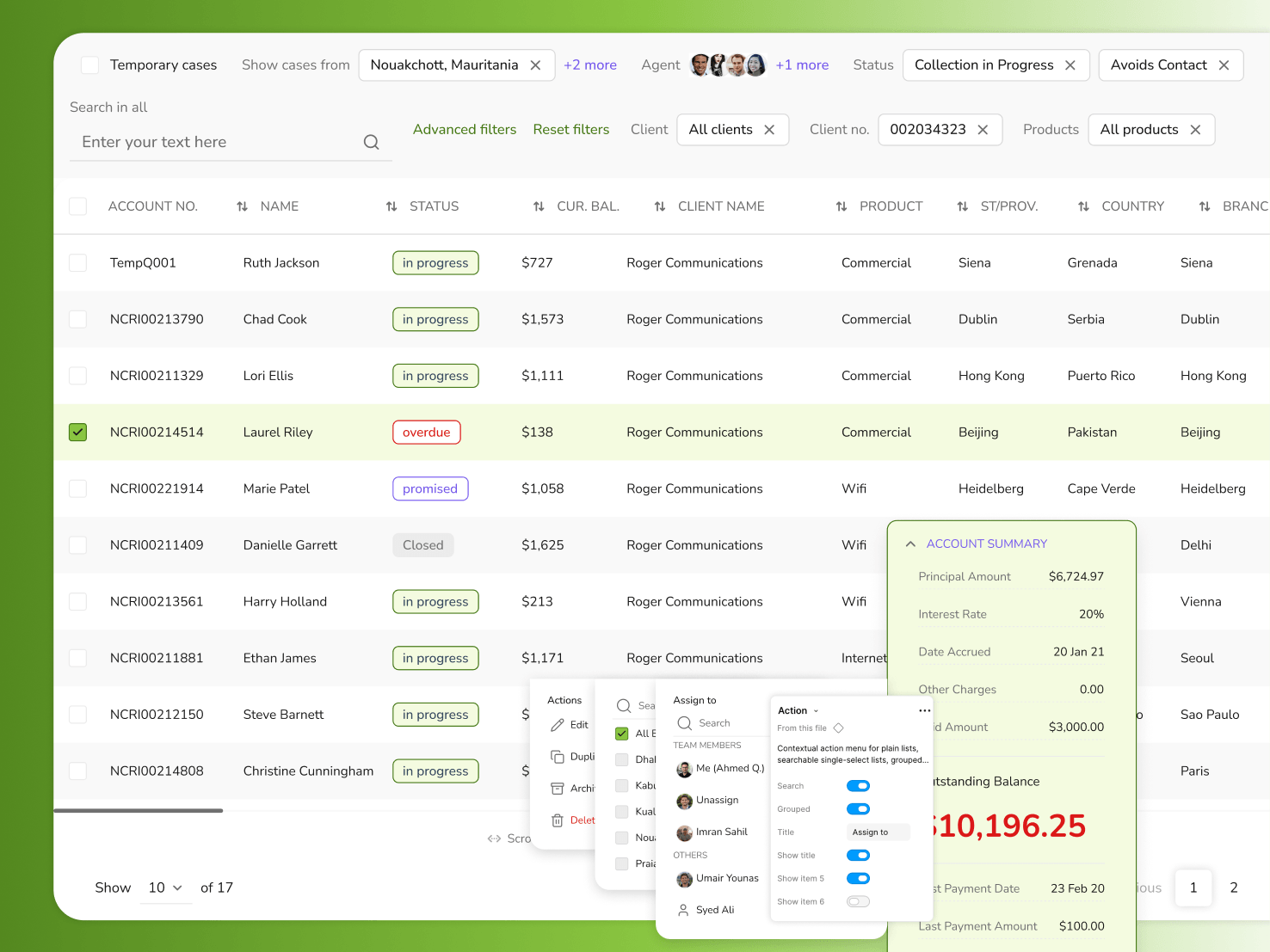
Debt collection ran on calls, spreadsheets, and memory across several teams. I designed one platform that holds the case, the follow-up, and the reporting, so the next person always knows what happened and what comes next.
Read case studyI design products by figuring out the system first.
- Designing workforce systems at TCP.
- Four years in code, then design.
- Reworking this portfolio one page at a time.
I'm Ahmed, a product designer in Lahore. I started in code and found my way into design. I design complex products by understanding their workflows, rules, and edge cases, then turning them into clear interfaces.

From code to pixels.
I'm Ahmed. I shipped 300+ websites for clients around the world before I ever held a design title, and I founded a few things that didn't work along the way. I studied computer science, and it shows me how a product gets built. Years into the work, I went back for design at BNU, and it teaches me to question whether the product should work that way at all. TCP is where both meet: complex workforce systems, real customers, no clean slate.
Read the longer versionDifferent products. Same habit of looking underneath.
Debt collection, time clocks, analytics, and food all run on rules you can't see. I find those rules and make the next step easier.
A punch takes seconds and has to work with gloves on, at arm's length, on a 640 × 360 screen. I redesigned Humanity's shared Android terminal around that moment, working directly with the Android engineering team on a component system they could build.
Read case studyA self-serve analytics tool, designed solo as a freelance engagement. I owned the whole path from spreadsheet upload to charts, dashboards, and sharing, so someone who isn't an analyst can get from file to answer alone.
Read case study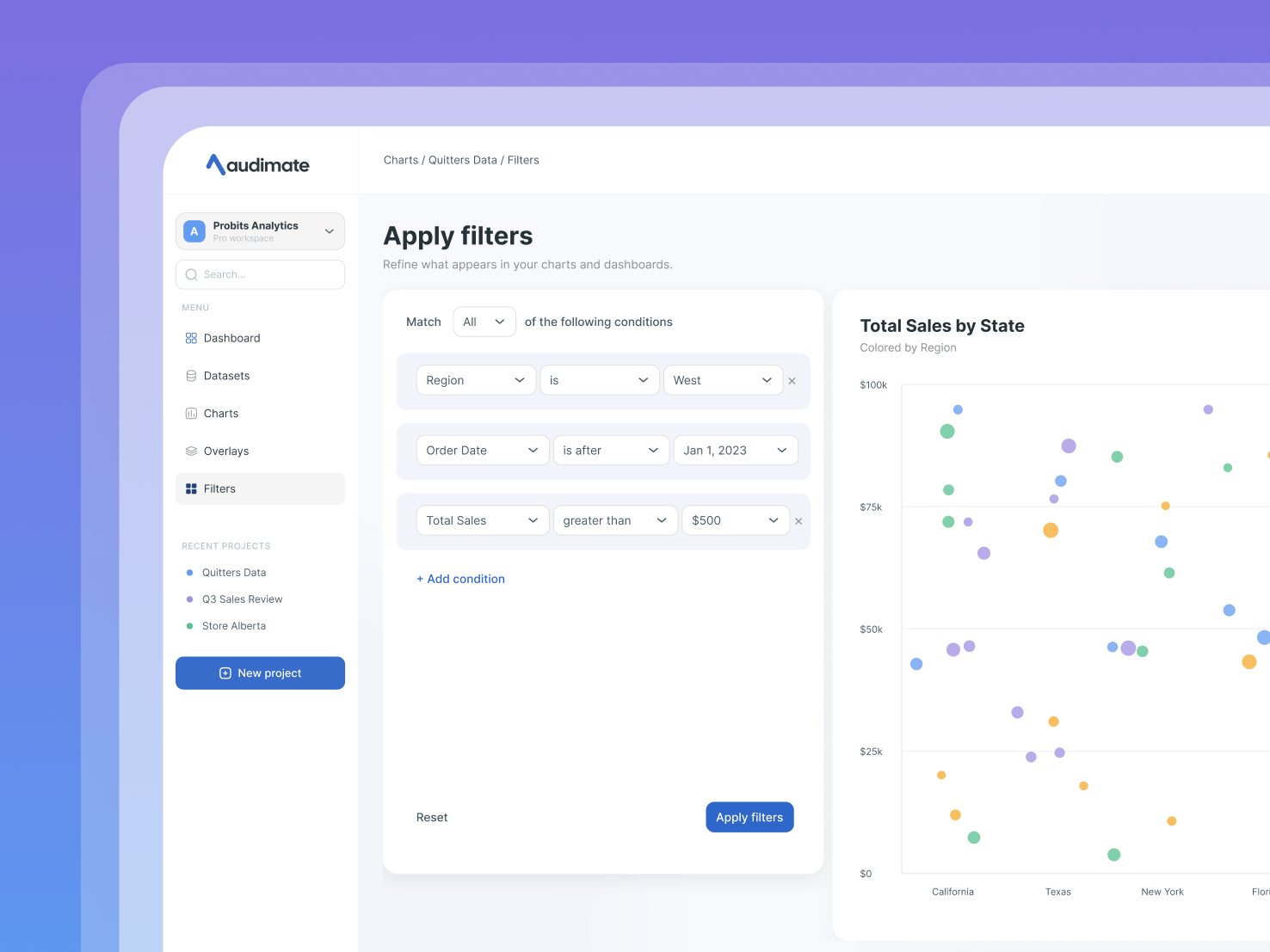
A course project about making AI honest. Health profiles flag allergens and diet conflicts at foodpanda checkout, and the design says "not sure" when menu data runs out instead of pretending to know.
Read case study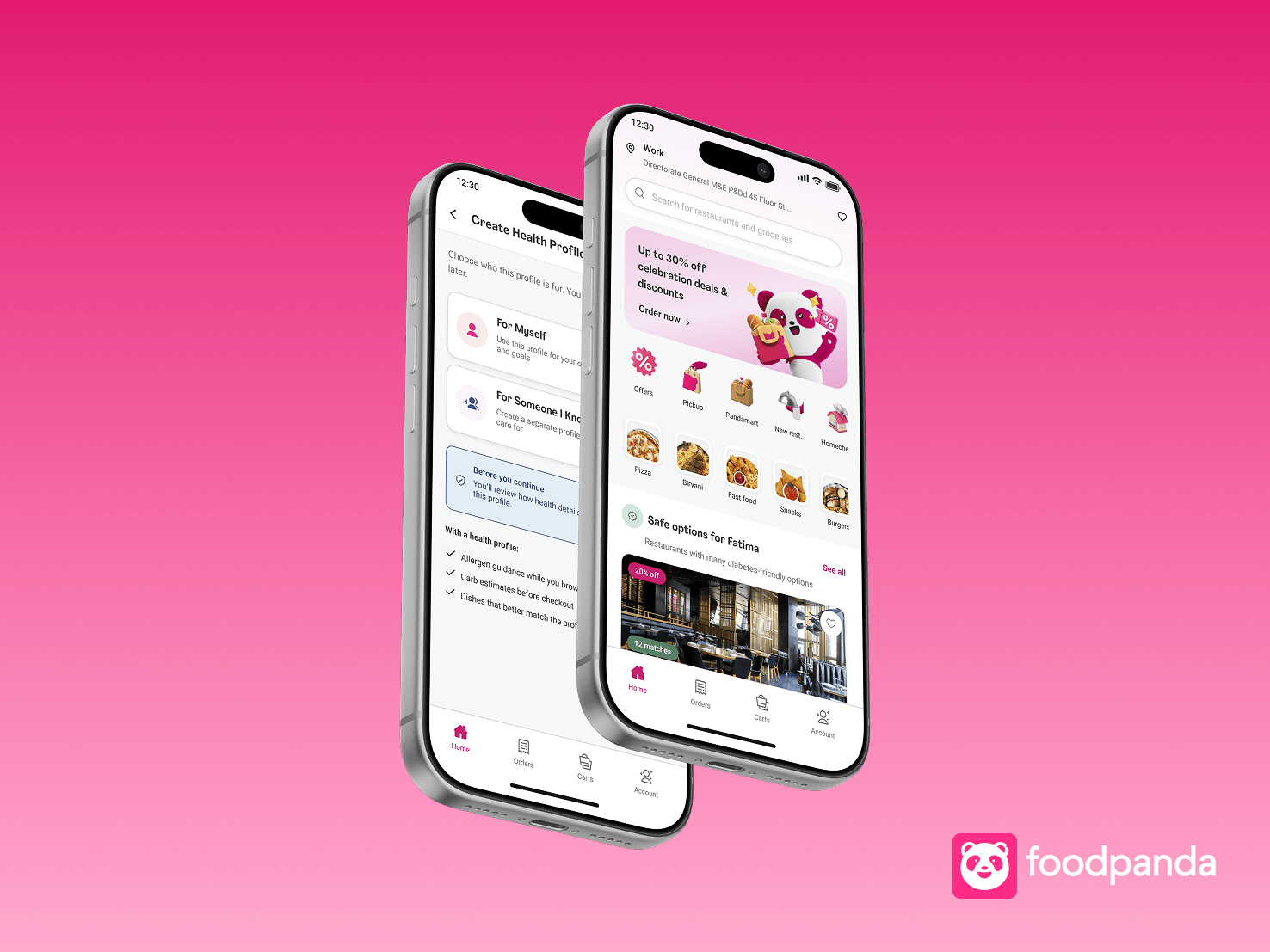
Two ways to work with me.
A designer for complex, rule-heavy products.
Mature products carry years of rules and real customers. I join those teams and make the next change clearer without forcing anyone to relearn everything. Research, design systems, interface craft, and enough front-end code to speak the build's language.
An end-to-end builder for a small number of selected projects.
Research, interface, and a working front-end from one person. I founded a few things that didn't work and shipped hundreds that did. Early products need momentum more than polish, so I build before I'm comfortable and stay after the handoff.
I keep the rules within reach.
These laws and heuristics already exist, so why rewrite them? Because most versions are abstract. Unclear descriptions, few examples, nothing you can scan mid-project and use. I rewrite each one until it says what the rule actually asks of the screen in front of you.
Read my notesSay hello.
Reach out if you are hiring for product design, working through a complex workflow, or trying to make an old product easier to change. I like problems that need patient thinking and practical design.
hello@ahmedqureshi.com